Category: Latest
-
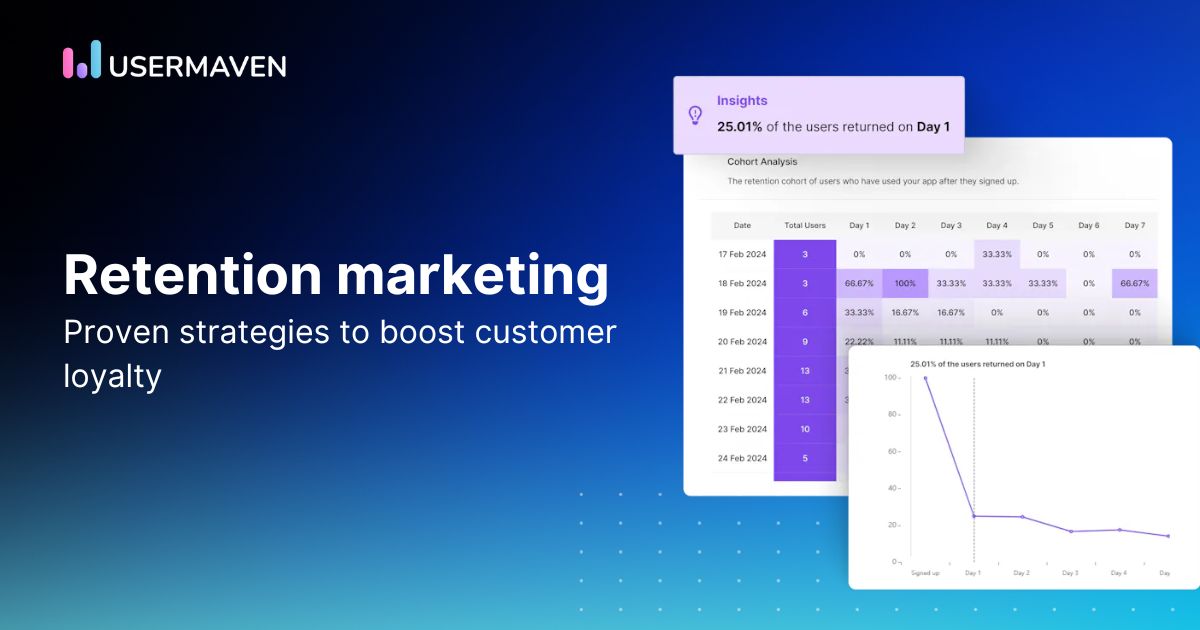
Retention marketing: Proven strategies to boost customer loyalty
Acquiring new customers is important, but keeping them engaged is what drives long-term success. Retention marketing focuses on nurturing existing customers, increasing their lifetime value, and strengthening brand loyalty. Businesses that prioritize retention see higher profitability, lower marketing costs, and stronger customer relationships. This approach goes beyond traditional marketing by using data-driven strategies to enhance…
-
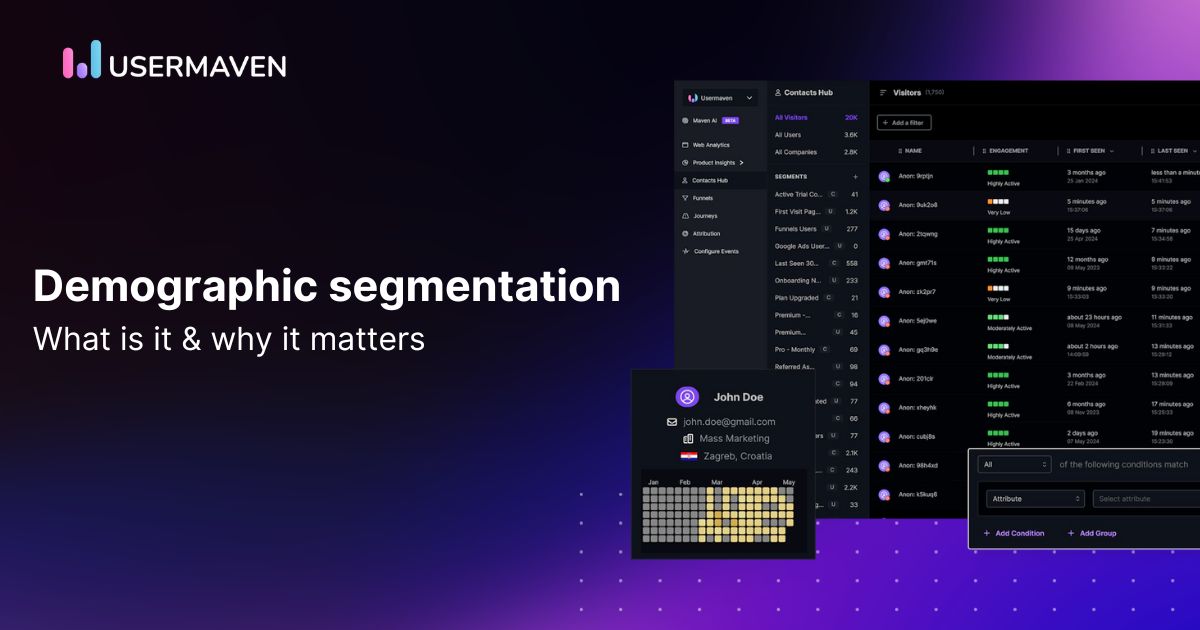
What is demographic segmentation & why it matters
Understanding your audience is the foundation of effective marketing. Every customer has unique needs, preferences, and behaviors, but certain traits often group people together. This is where demographic segmentation comes in. By dividing a market based on factors like age, gender, income, education, and occupation, businesses can create more relevant messaging and better-targeted campaigns. A…
-
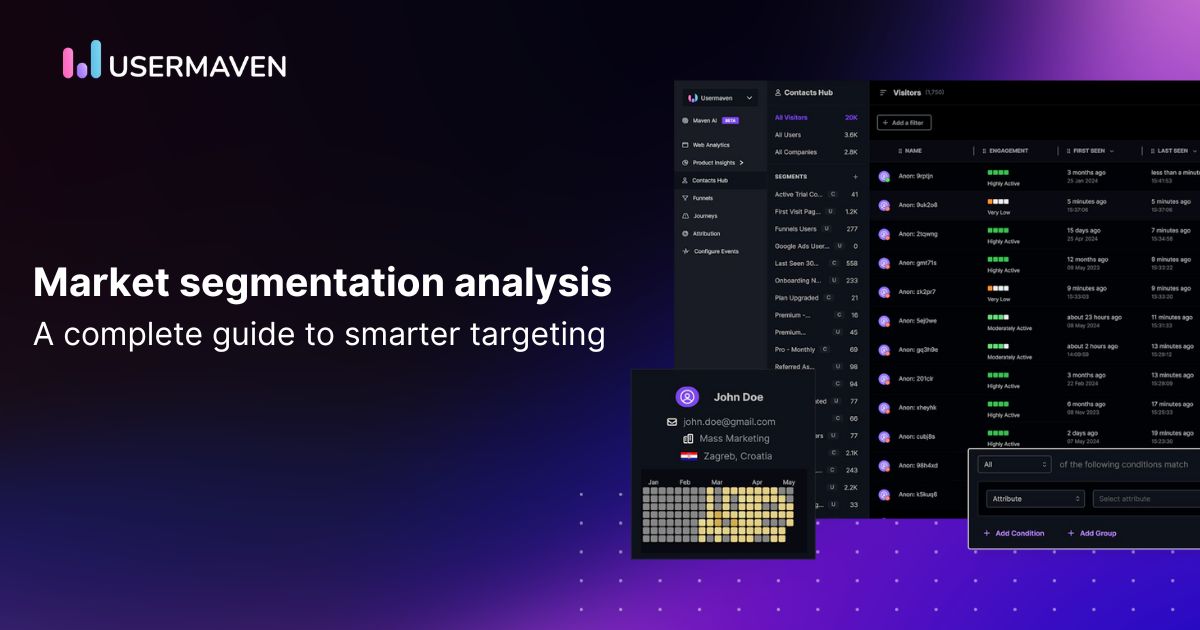
Market segmentation analysis: A complete guide to smarter targeting & growth
Not everyone walks into a store for the same reason – some need a quick buy, others browse for inspiration, and a few just tag along for the company. Businesses that recognize these differences can market more effectively instead of treating every customer the same. That’s where market segmentation analysis comes in. It helps brands…
-
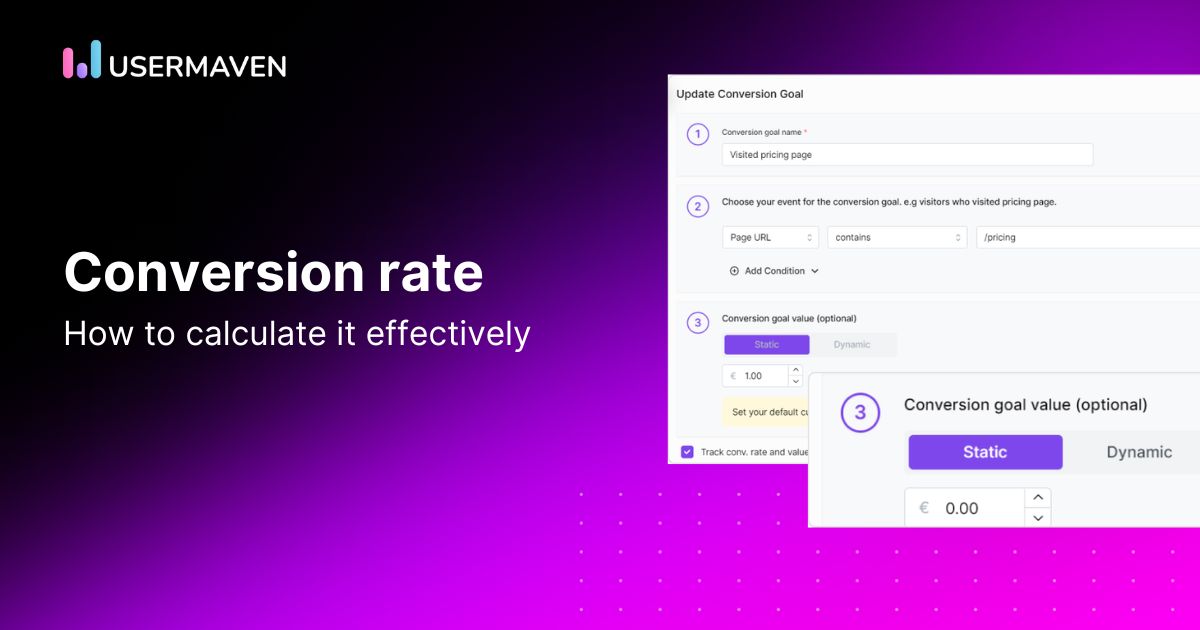
How to calculate conversion rate effectively
Understanding how to calculate conversion rate is key to measuring the success of your website or marketing campaigns. Whether you’re monitoring sign-ups, purchases, or other actions, tracking conversions helps you identify what’s working and where improvements are needed. With Usermaven, you can easily track visitors and conversions without complicated setups. Our intuitive dashboard provides clear…
-
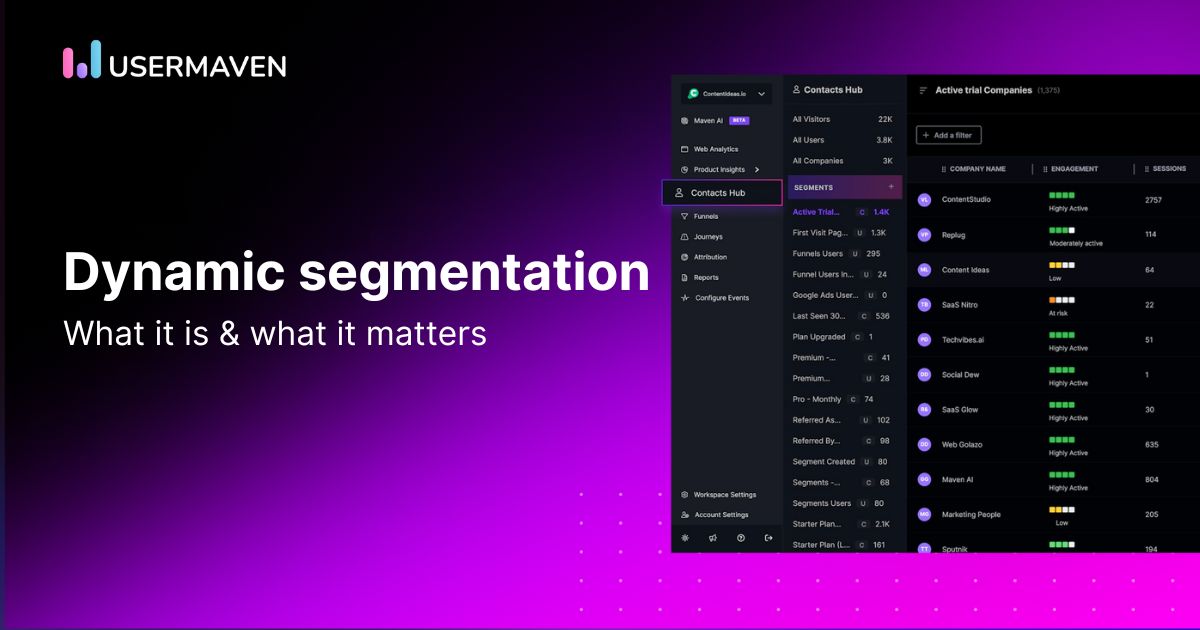
What is dynamic segmentation & what it matters
In the world of data analytics and customer insights, businesses are constantly seeking ways to better understand their audience, personalize experiences, and drive growth. One of the most powerful tools to achieve this is dynamic segmentation. Unlike traditional static segmentation, dynamic segmentation allows businesses to categorize their audience in real time based on behavior, preferences,…
-
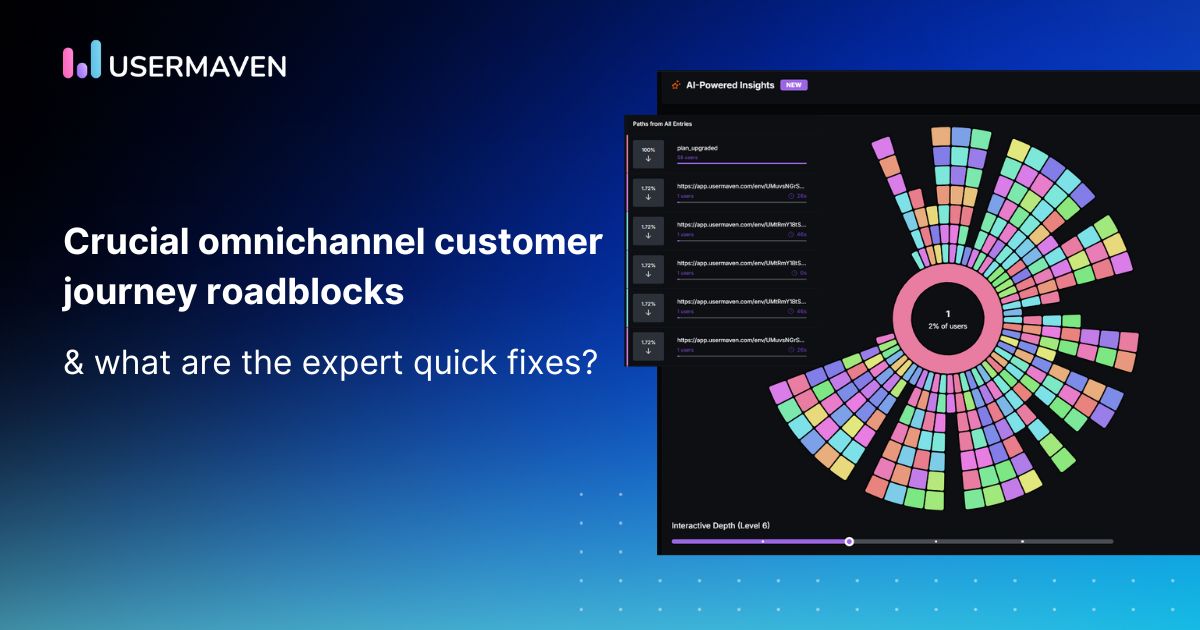
Omnichannel customer journey: Challenges & quick fixes
A customer browses your website on their laptop and adds a product to the cart but doesn’t check out. Later, they get a reminder on their phone, visit your store, and complete the purchase. That’s an omnichannel customer journey – seamless, connected, and convenient. But making this work isn’t easy. Disconnected systems, inconsistent messaging, and…
-
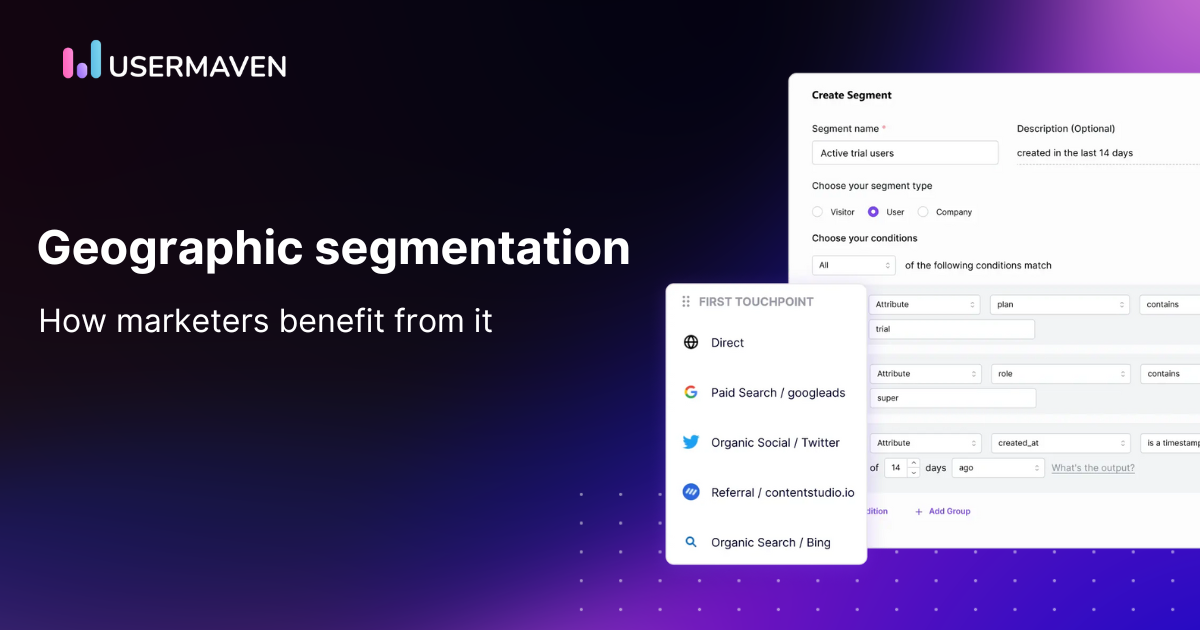
How do marketers use geographic segmentation to drive engagement?
When Starbucks offers pumpkin spice lattes earlier in Seattle than in Miami, or when Nike showcases winter gear in Minnesota while promoting breathable fabrics in Arizona, you’re witnessing geographic segmentation in action. Geographic segmentation divides a broad market into smaller groups based on physical location, allowing marketers to customize offerings according to where people live,…
-
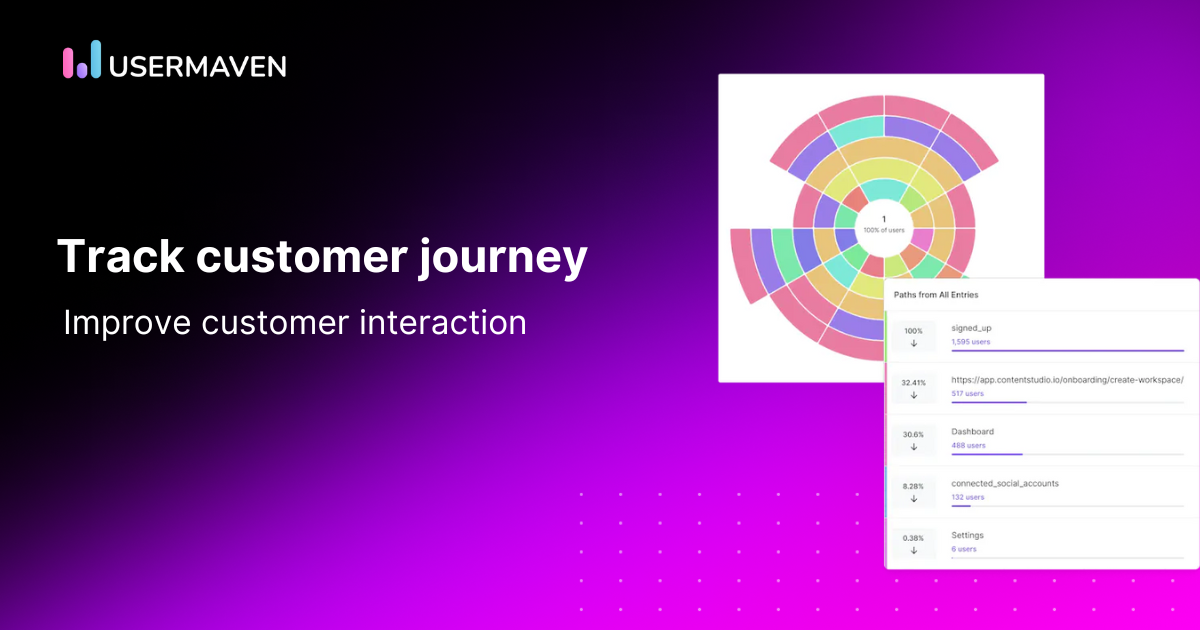
How to track customer journey and improve customer interaction
Understanding the path your customers take from their first encounter with your brand until after a purchase is key to making smarter marketing decisions. Customer journey tracking is the method of monitoring every interaction a customer has with your brand. This approach lets you see what works well and what needs improvement, helping you serve…
-
![[Stop wasting money] How digital marketing analytics saves you](https://blog.usermaven.com/wp-content/uploads/2025/03/Digital-marketing-analytics.jpg)
[Stop wasting money] How digital marketing analytics saves you
Every marketing campaign costs money, but not every campaign brings results. Without the right data, budgets get drained on low-performing channels, ineffective ads, and missed opportunities. Digital marketing analytics helps track what’s working and what’s not, ensuring that resources go to strategies that drive real impact. It identifies wasted spend, optimizes performance, and turns insights…
-
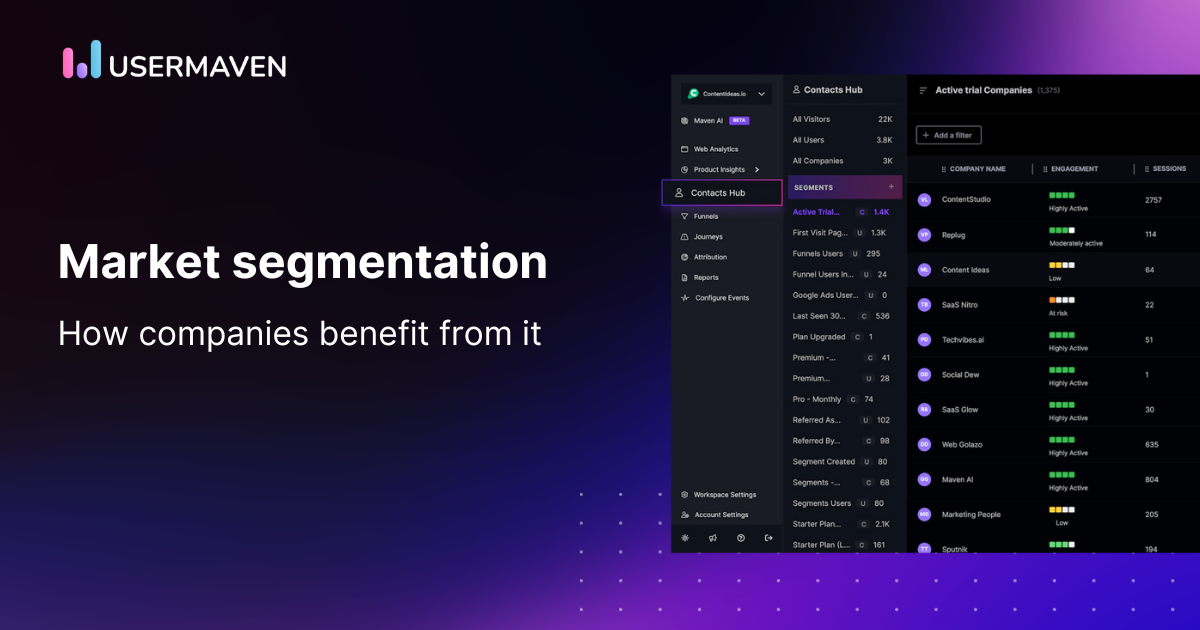
Why would companies use a market segmentation strategy? Benefits explained
Market segmentation divides a wide audience into smaller groups that share similar needs or interests. This strategy has roots in the mid-1900s, when businesses noticed that a single message didn’t reach everyone. Today, companies use market segmentation to understand their behavioral segmentation better and craft messages that connect with each group in a more personal…