Category: Segmentation
-
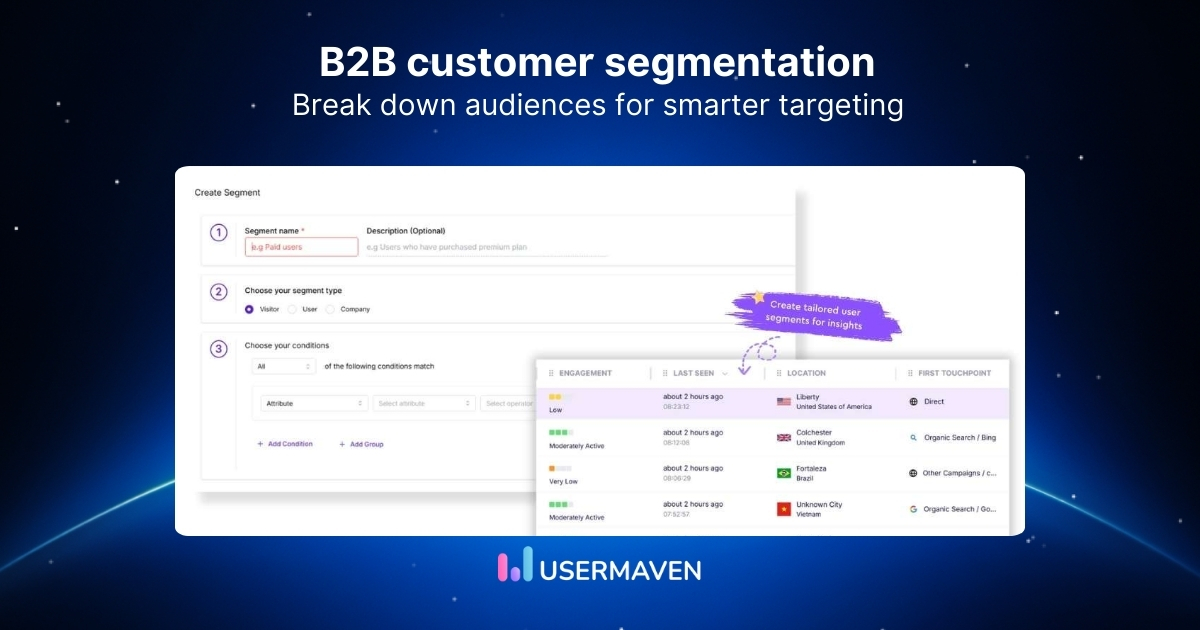
A complete overview of B2B customer segmentation
Imagine walking into a room full of business leaders from different industries, sizes, and goals. Then imagine giving them all the exact same pitch. It would never work. Yet many B2B companies still treat their entire audience as one group. B2B customer segmentation changes that. It helps you understand the differences between your customers so…
-
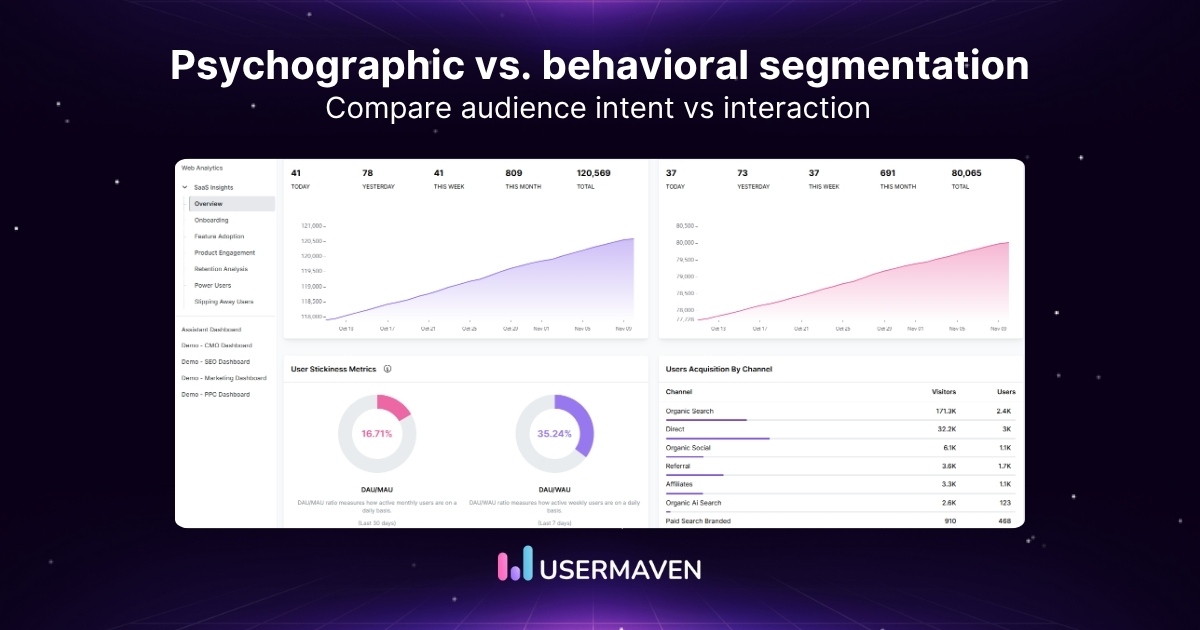
Psychographic vs. behavioral segmentation: How they differ
Why do two customers with the same demographics respond differently to your marketing? That’s because knowing who your customers are isn’t enough anymore. You also need to know why they buy and how they behave. That’s where psychographic segmentation and behavioral segmentation come in. Both are powerful tools for building customer-centric marketing strategies. But they’re…
-
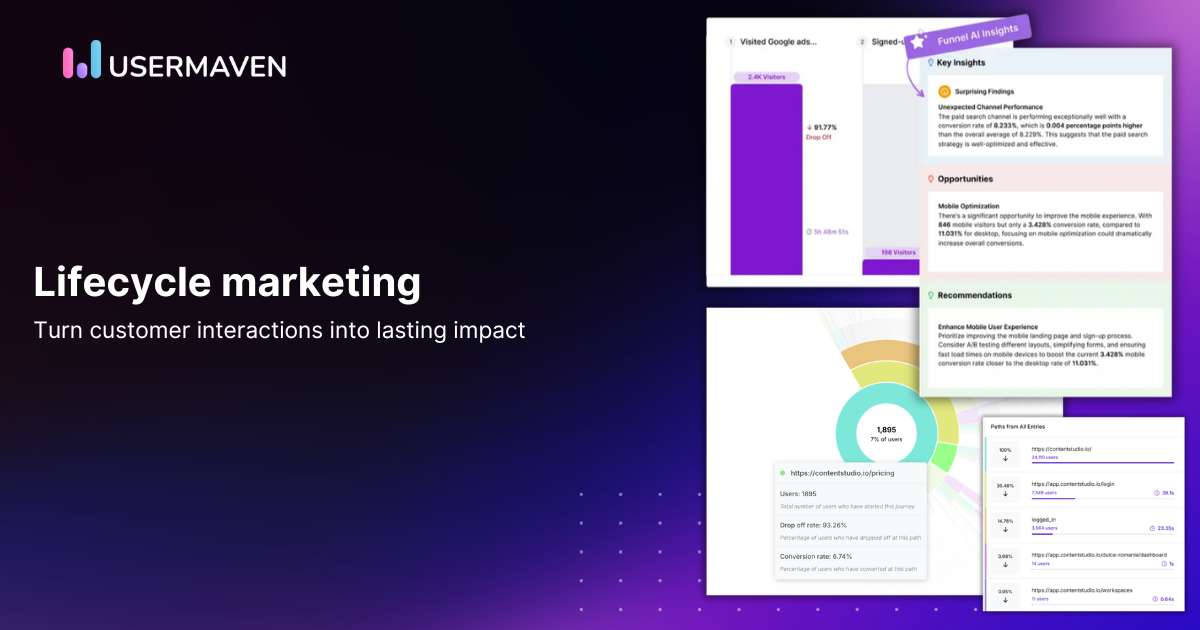
Understanding lifecycle marketing: A strategic approach to customer engagement
Imagine this: you’ve just launched your latest product and the first sales come through. Everything seems to be on track until, out of nowhere, the momentum slows down. The excitement fades, and you’re left wondering what went wrong. Your analytics tell part of the story: where customers showed interest, where they drifted away, and which…
-
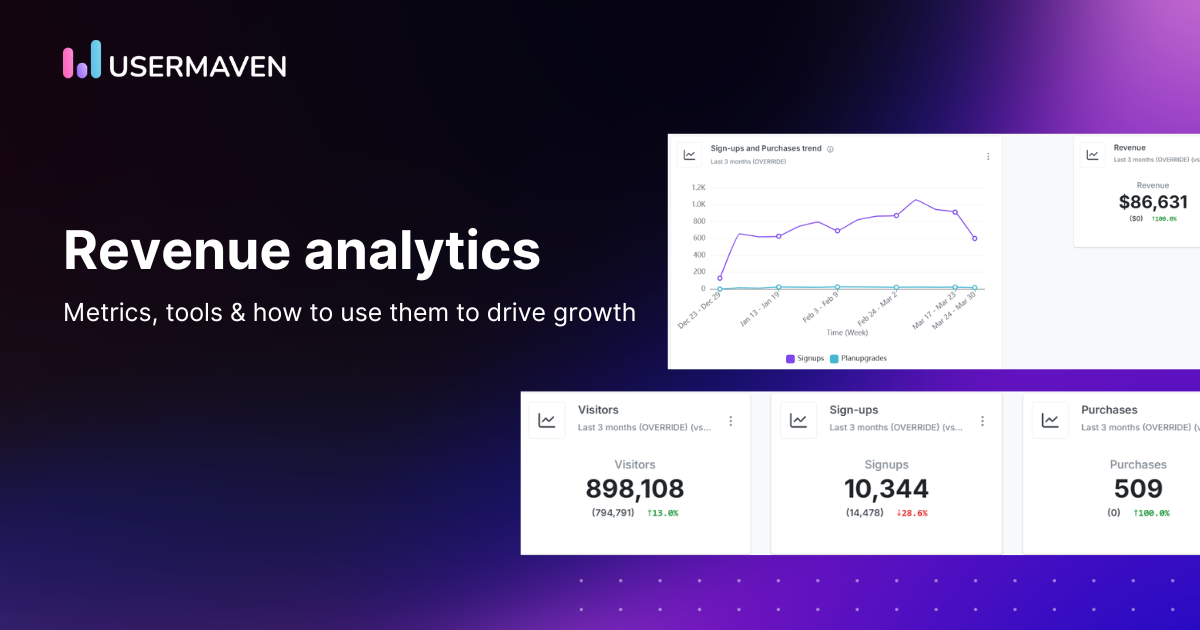
Revenue analytics for SaaS: Metrics, tools & how to use them to drive growth
Understanding how your business generates revenue isn’t just a reporting task; it’s a strategic advantage. Revenue analytics goes beyond basic financial tracking by connecting product usage, customer behavior, and marketing performance directly to your income streams. For SaaS companies, it offers a clear view of what drives recurring revenue, where churn risks exist, and how…
-
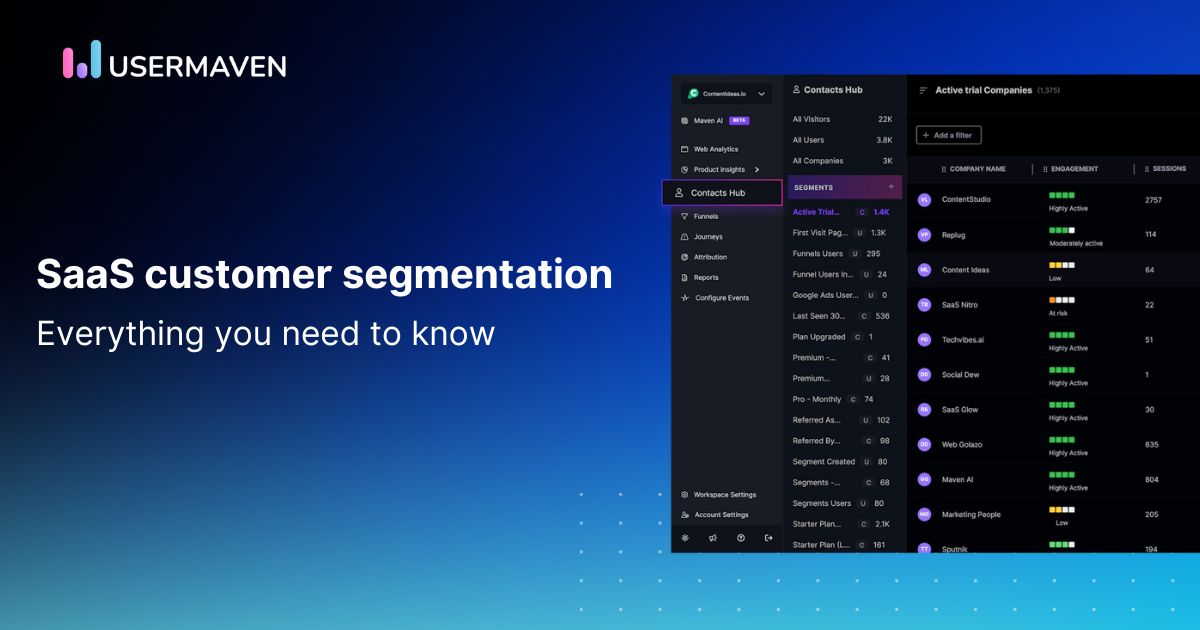
What is SaaS customer segmentation? Explained simply
Picture this: you’re running a SaaS business and sending the same email to your power users and occasional visitors. The result? Your heavy users feel overlooked while casual customers feel overwhelmed. This scattered approach wastes marketing dollars and frustrates customers who want relevant experiences. SaaS customer segmentation solves this problem by dividing your customer base…
-
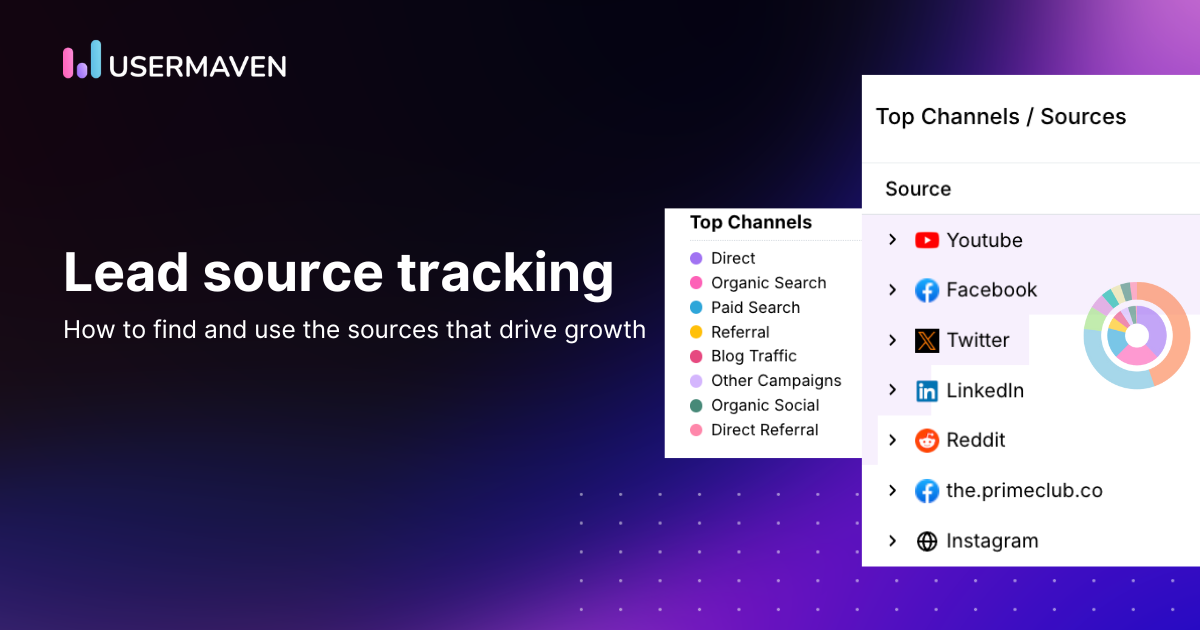
Lead source tracking: How to find and use the sources that drive growth
To grow efficiently, you need to know what’s actually working. That starts with tracking where your leads come from, and not just at a surface level. Lead source tracking gives you the insight to identify which channels, campaigns, and touchpoints are generating high-quality leads and which are wasting your budget. But in 2026, tracking lead…
-
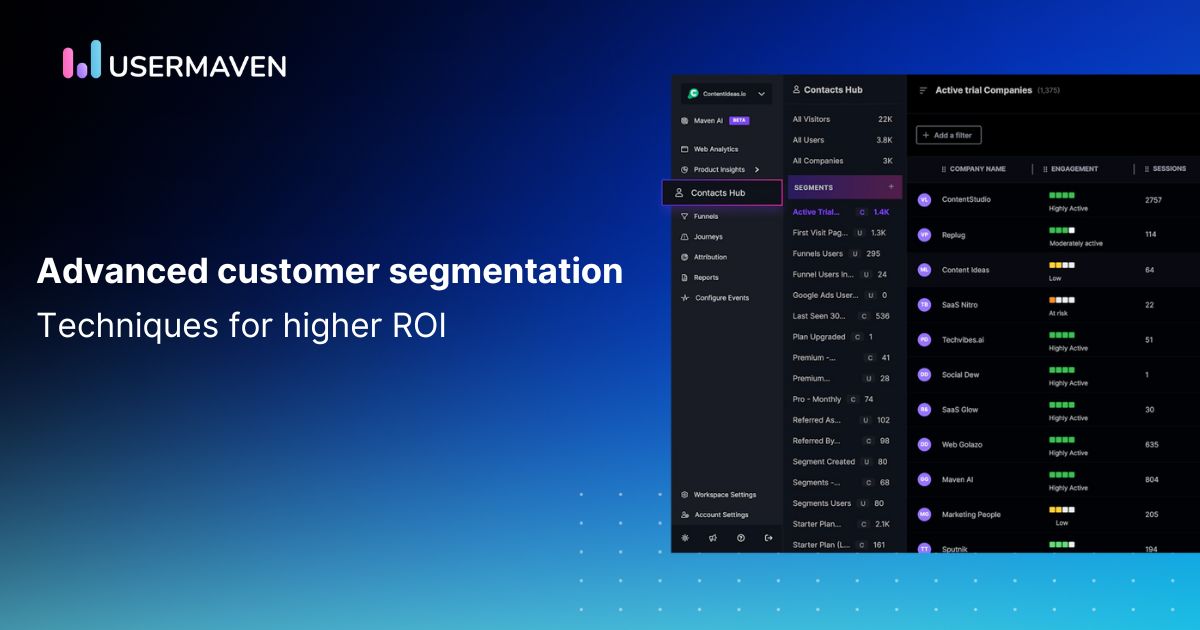
5 advanced customer segmentation techniques for higher ROI
Understanding your audience isn’t just about knowing who they are; it’s about knowing what they need, when they need it, and how they prefer to engage. In today’s competitive landscape, basic demographics and guesswork won’t cut it. To drive higher ROI, brands must go beyond surface-level insights and tap into advanced customer segmentation techniques. This…
-
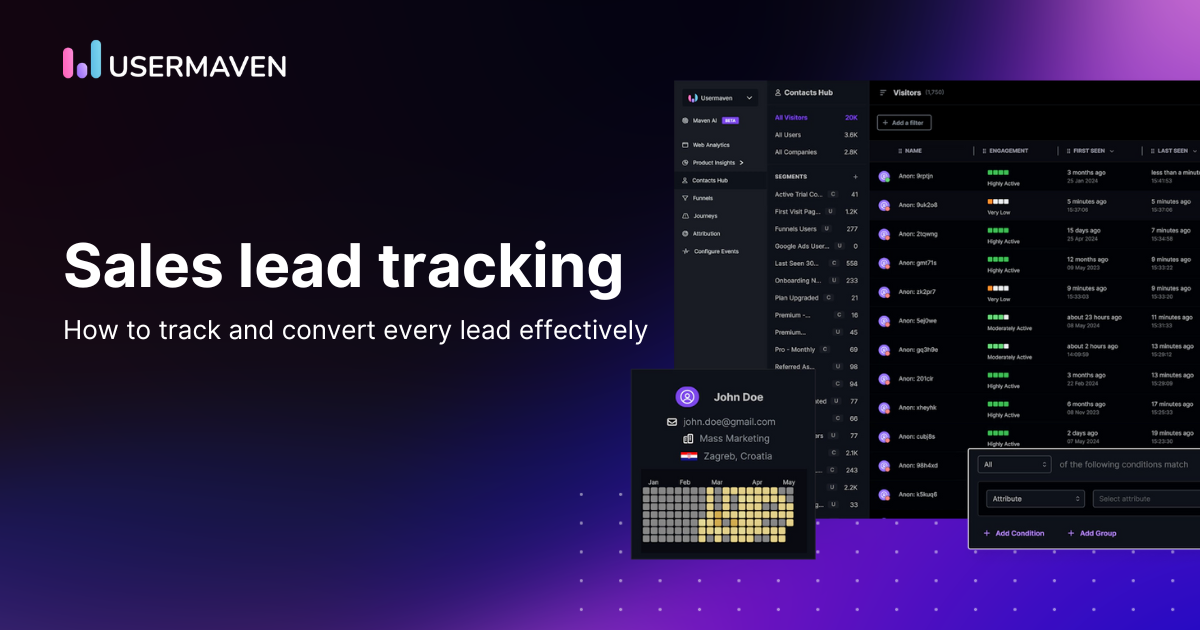
Sales lead tracking: How to track and convert every lead effectively
Tracking sales leads is no longer optional; it’s the backbone of an efficient, conversion-driven sales process. Without a system in place, even the most promising leads can slip through the cracks, costing your team time, money, and missed revenue. This guide will walk you through everything you need to know about sales lead tracking, from…
-
Psychographic segmentation: What is it & why it matters
Traditional segmentation methods – based on age, gender, or location – offer only a limited view of your audience. In today’s competitive landscape, understanding what truly influences customer decisions requires going beyond the basics. This is where psychographic segmentation becomes essential. By focusing on values, interests, attitudes, and lifestyles, psychographic segmentation helps marketers craft more…
-
What is demographic segmentation & why it matters
Understanding your audience is the foundation of effective marketing. Every customer has unique needs, preferences, and behaviors, but certain traits often group people together. This is where demographic segmentation comes in. By dividing a market based on factors like age, gender, income, education, and occupation, businesses can create more relevant messaging and better-targeted campaigns. A…