Category: User journey
-
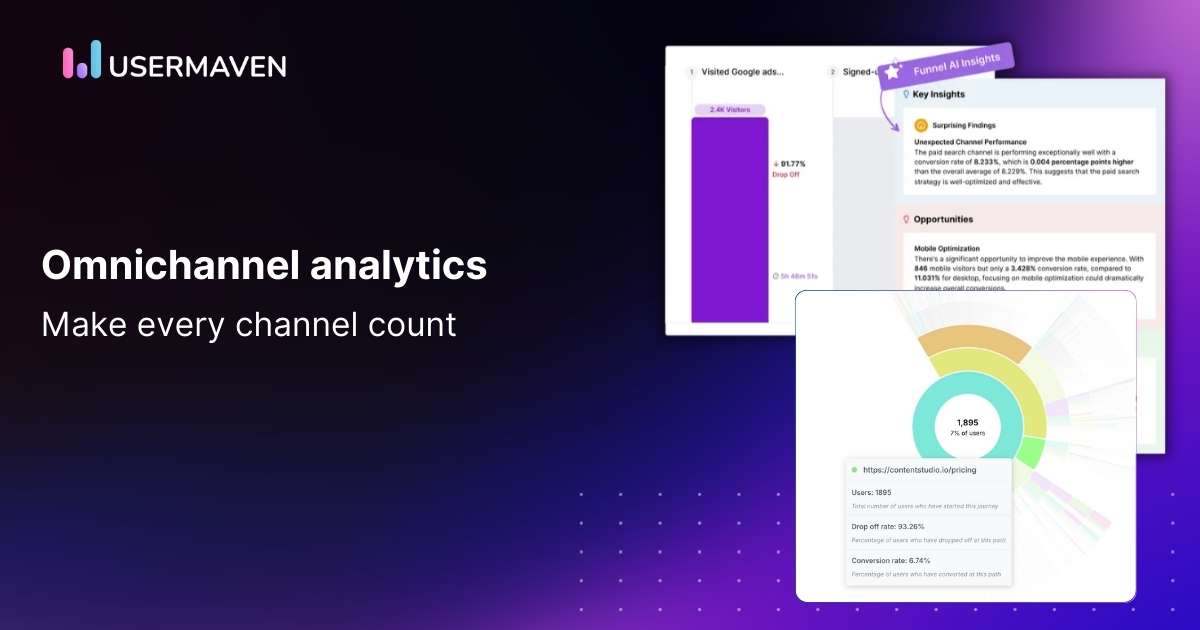
Make every interaction count with omnichannel analytics
Picture this: A customer finds your product on Instagram, clicks through to your website, browses a few items, and finally, completes their purchase through an email link. Now, what if we told you there’s a way to track and understand exactly how those interactions connect, without any gaps? It’s not magic. It’s omnichannel analytics. Without…
-
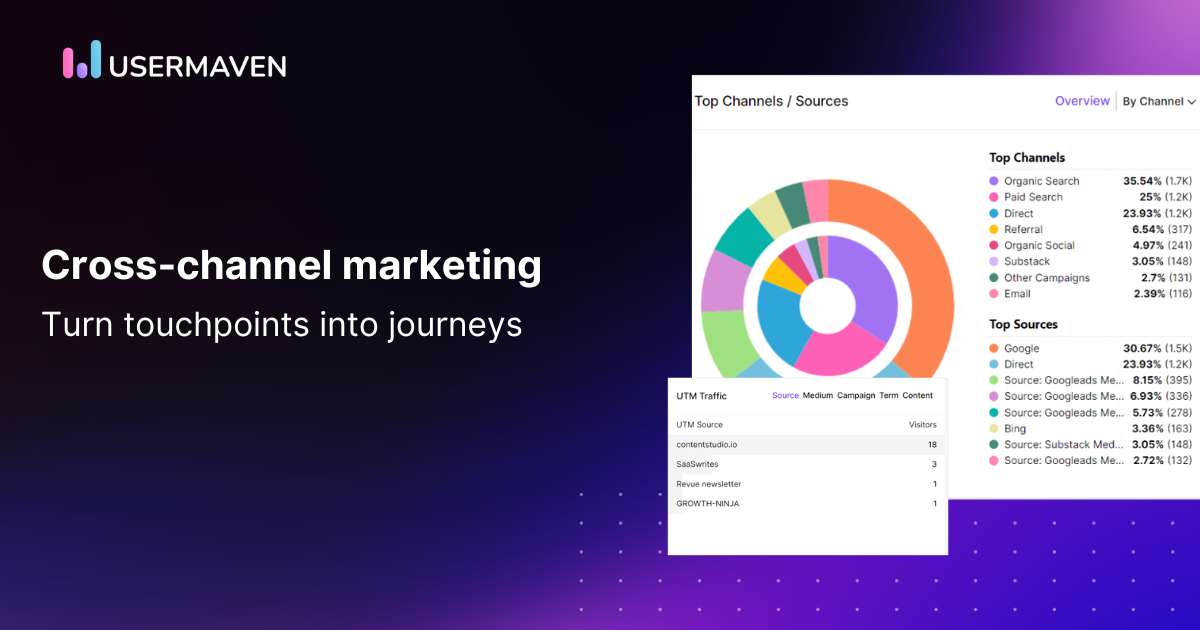
Cross-channel marketing: How to win customers everywhere
Your customers don’t stay in one place anymore. They might see your ad on Instagram in the morning, open an email at lunch, Google your brand in the evening, and drop by your store on the weekend. The tricky part? Making sure your brand feels consistent across all those touchpoints. That’s exactly what cross-channel marketing…
-
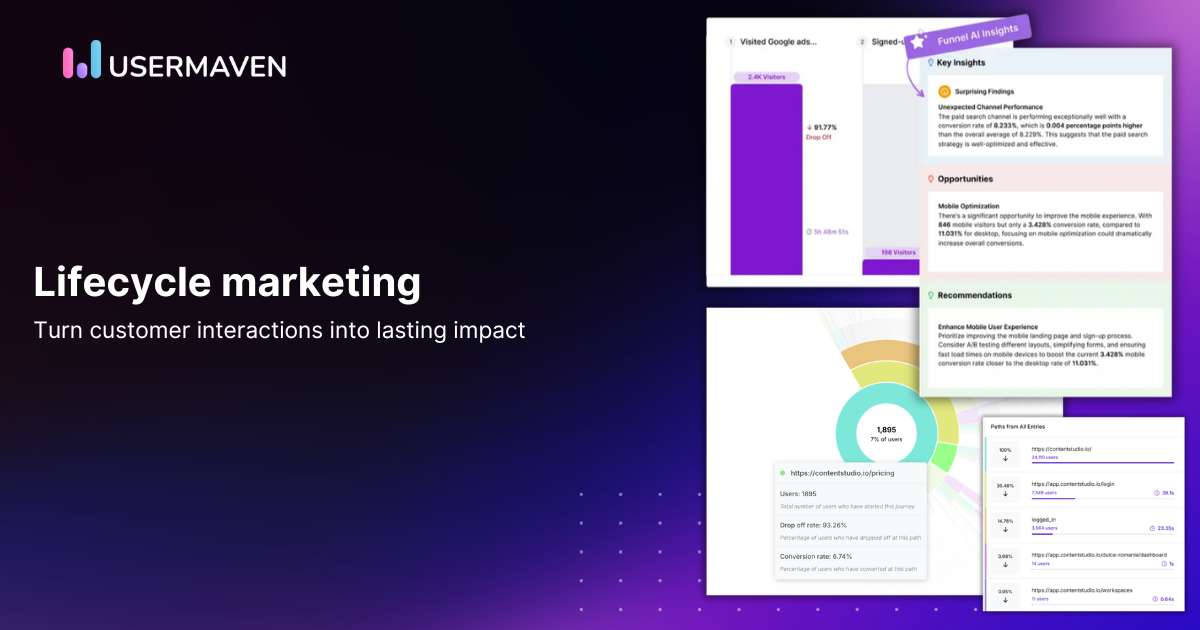
Understanding lifecycle marketing: A strategic approach to customer engagement
Imagine this: you’ve just launched your latest product and the first sales come through. Everything seems to be on track until, out of nowhere, the momentum slows down. The excitement fades, and you’re left wondering what went wrong. Your analytics tell part of the story: where customers showed interest, where they drifted away, and which…
-
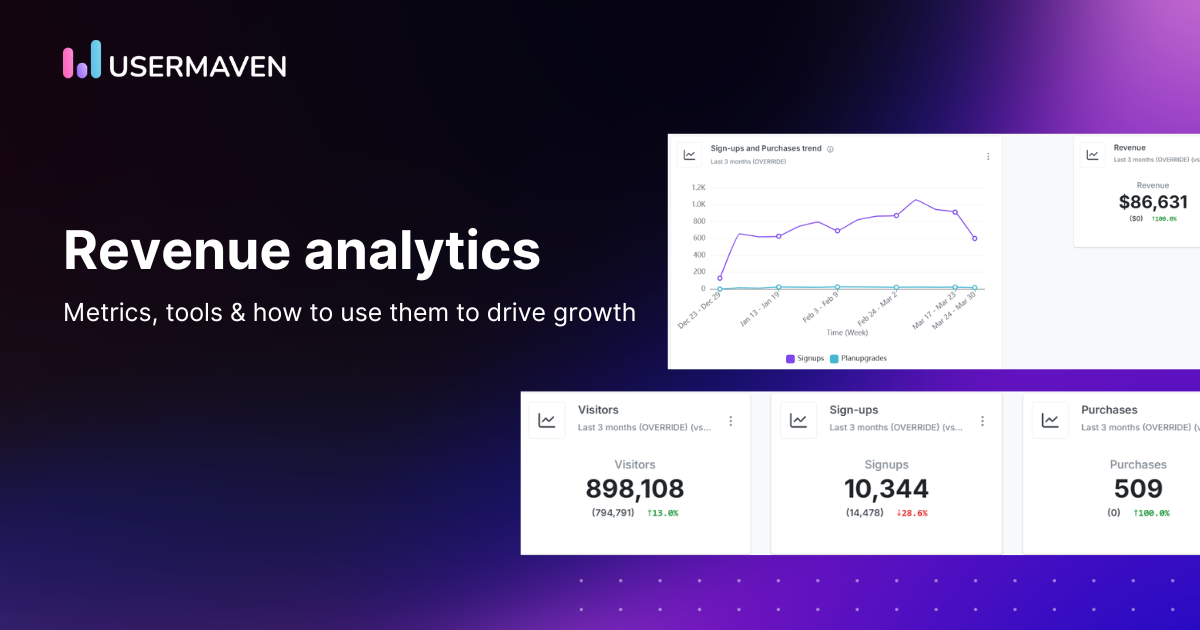
Revenue analytics for SaaS: Metrics, tools & how to use them to drive growth
Understanding how your business generates revenue isn’t just a reporting task; it’s a strategic advantage. Revenue analytics goes beyond basic financial tracking by connecting product usage, customer behavior, and marketing performance directly to your income streams. For SaaS companies, it offers a clear view of what drives recurring revenue, where churn risks exist, and how…
-
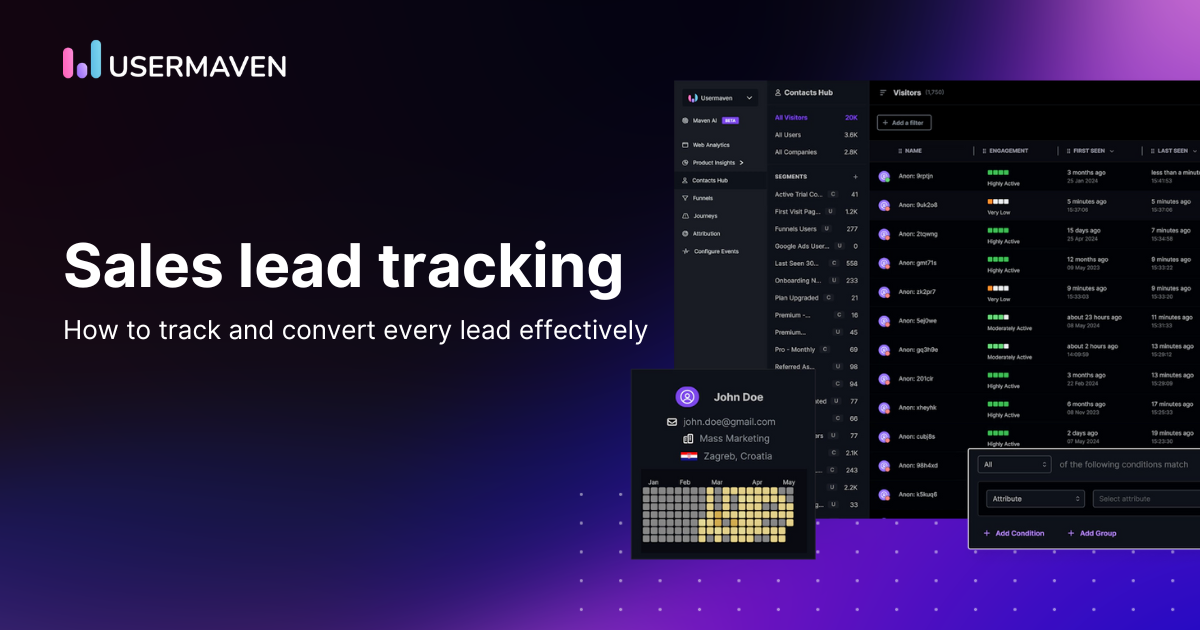
Sales lead tracking: How to track and convert every lead effectively
Tracking sales leads is no longer optional; it’s the backbone of an efficient, conversion-driven sales process. Without a system in place, even the most promising leads can slip through the cracks, costing your team time, money, and missed revenue. This guide will walk you through everything you need to know about sales lead tracking, from…
-
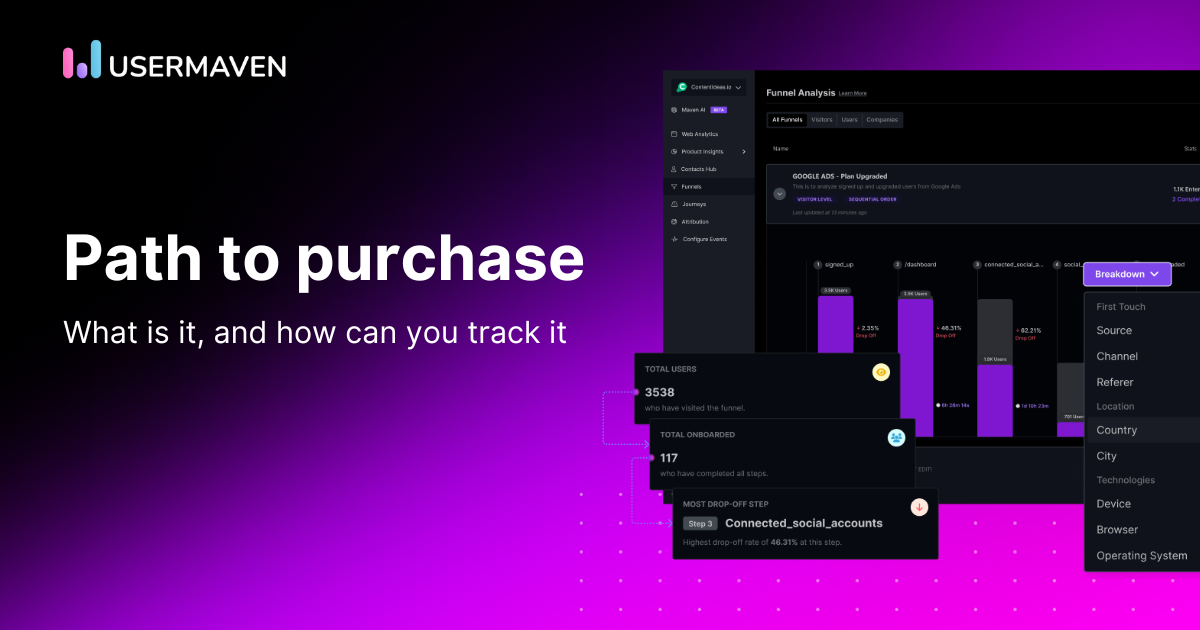
What is the path to purchase, and how can you track it?
Not every customer is ready to buy the moment they discover your brand. Most go through a series of steps, researching options, comparing alternatives, and evaluating their offer, before making a decision. This journey is known as the path to purchase. Understanding this path helps you identify what influences buying behavior, where potential customers drop…
-
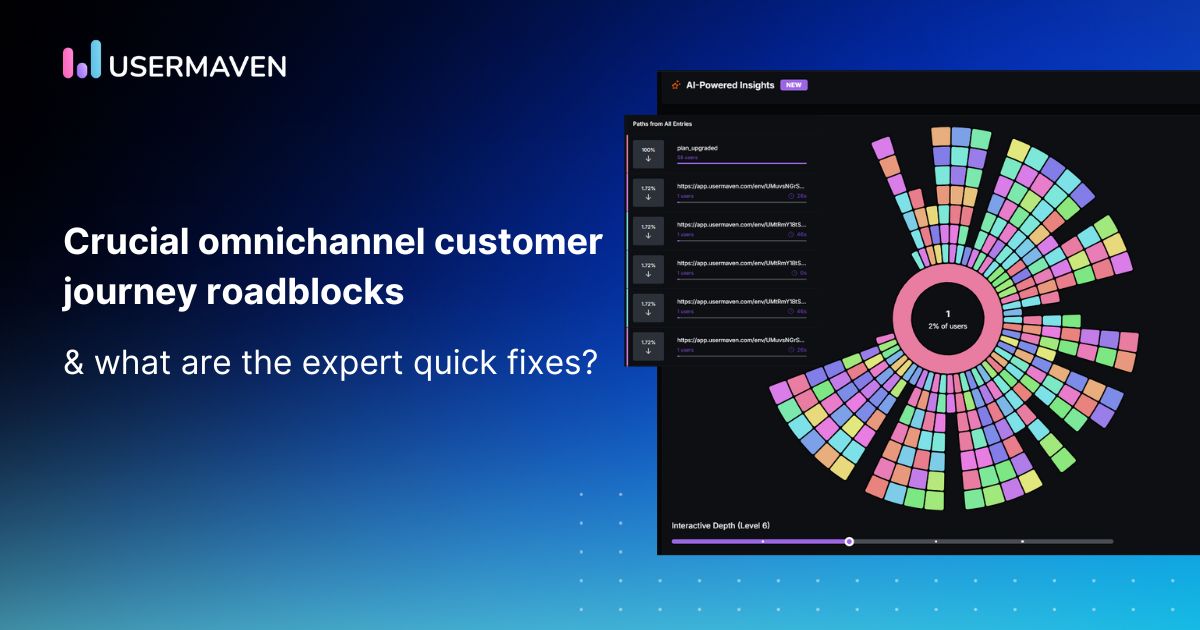
Omnichannel customer journey: Challenges & quick fixes
A customer browses your website on their laptop and adds a product to the cart but doesn’t check out. Later, they get a reminder on their phone, visit your store, and complete the purchase. That’s an omnichannel customer journey – seamless, connected, and convenient. But making this work isn’t easy. Disconnected systems, inconsistent messaging, and…
-
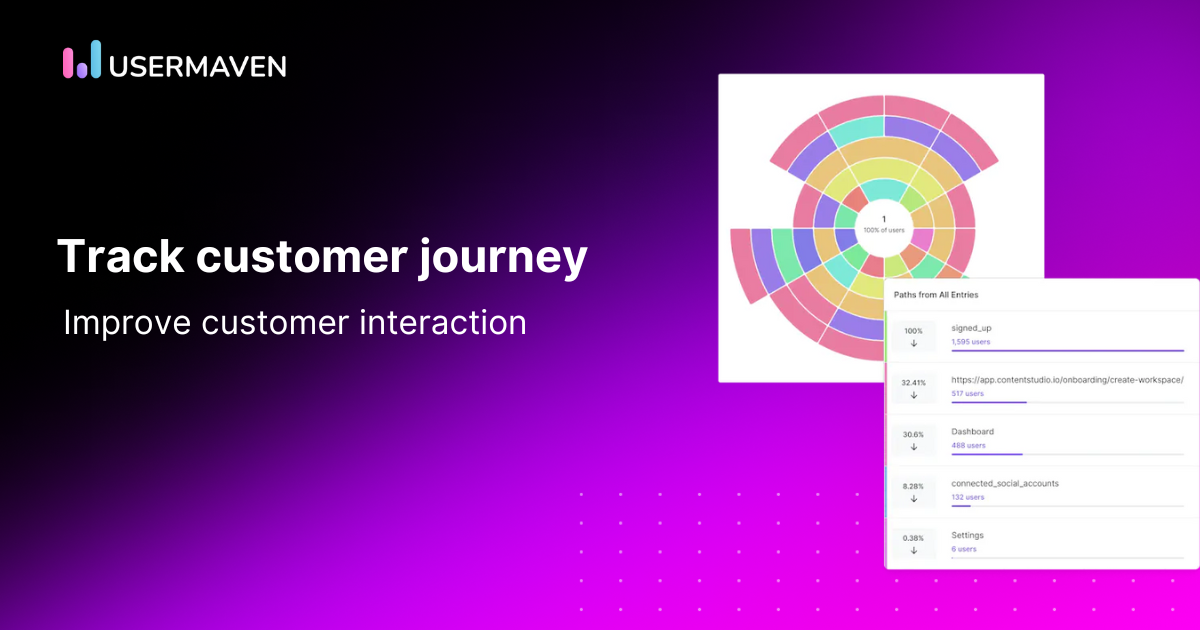
How to track customer journey and improve customer interaction
Understanding the path your customers take from their first encounter with your brand until after a purchase is key to making smarter marketing decisions. Customer journey tracking is the method of monitoring every interaction a customer has with your brand. This approach lets you see what works well and what needs improvement, helping you serve…
-
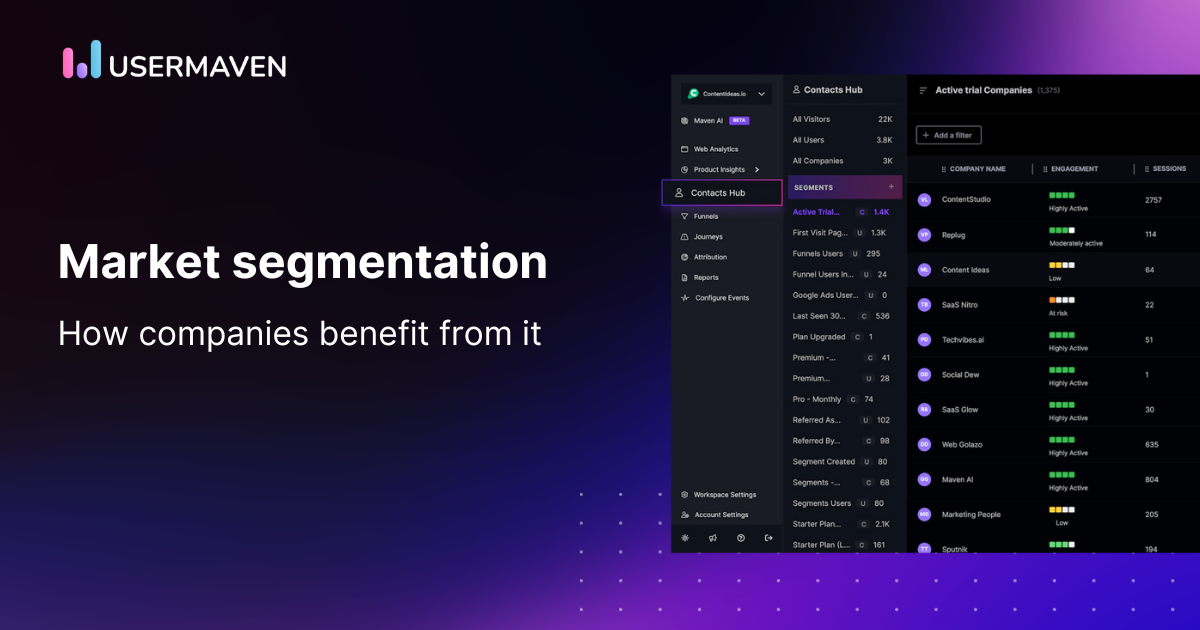
Why would companies use a market segmentation strategy? Benefits explained
Market segmentation divides a wide audience into smaller groups that share similar needs or interests. This strategy has roots in the mid-1900s, when businesses noticed that a single message didn’t reach everyone. Today, companies use market segmentation to understand their behavioral segmentation better and craft messages that connect with each group in a more personal…
-
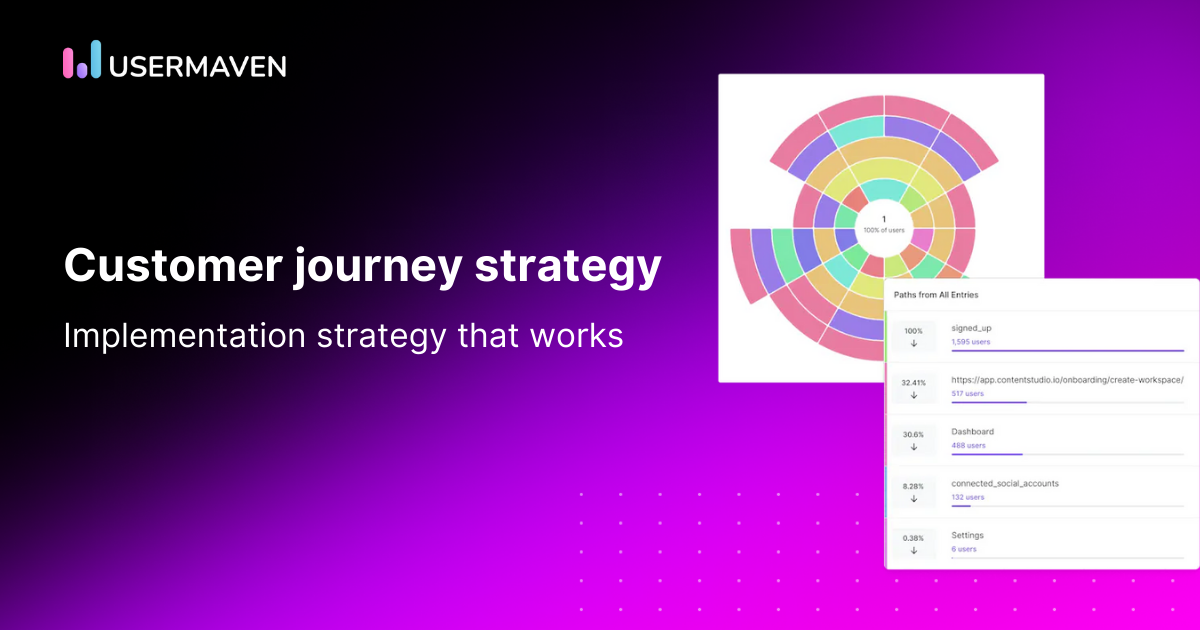
How to implement a customer journey strategy that works
Creating a customer journey strategy is a smart approach to planning each interaction your customers have with your business. When you map these interactions thoughtfully, you can boost engagement, satisfaction, and business results. This article explains a step-by-step method that works for many companies, including B2B SaaS, marketing agencies, and online businesses. It also shows…