Tag: Segments
-

20+ best customer segmentation software for 2026
Your best customer and your worst churn risk look identical without the right data. Treating them the same way is costing you revenue. Customer segmentation software changes that. Through audience segmentation, you can group customers by behavior, demographics, and engagement patterns so every interaction feels relevant and timely. This guide is a practical walk‑through of…
-
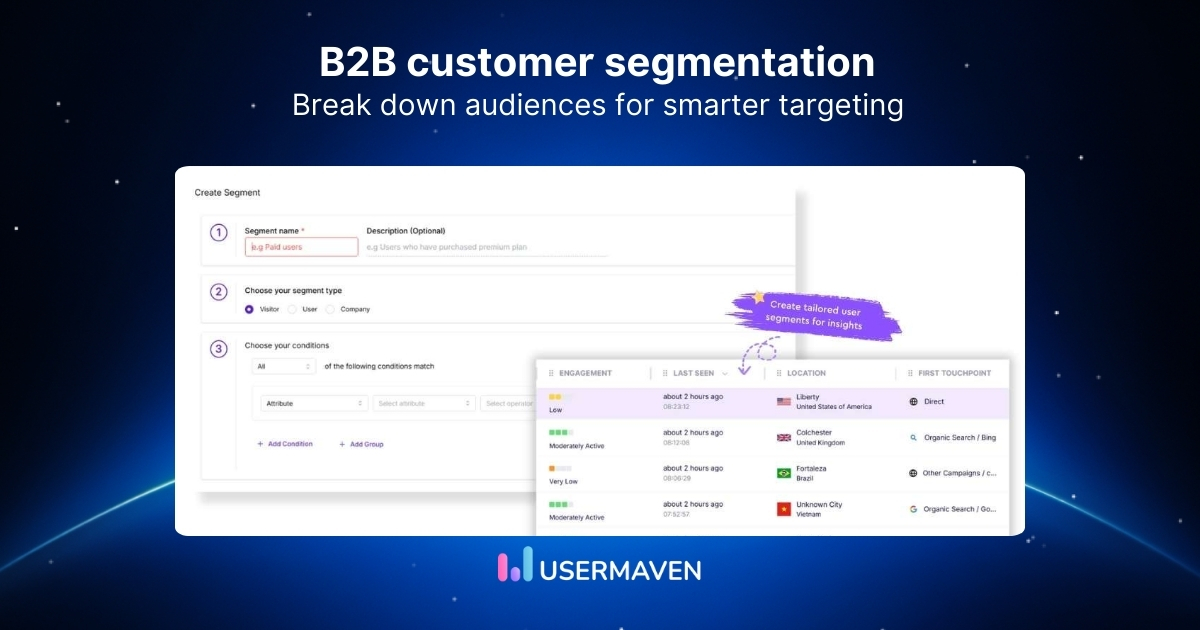
Rethinking B2B customer segmentation: A complete guide
Imagine walking into a room full of business leaders from different industries, sizes, and goals. Then imagine giving them all the exact same pitch. It would never work. Yet many B2B companies still treat their entire audience as one group. B2B customer segmentation changes that. It helps you understand the differences between your customers so…
-
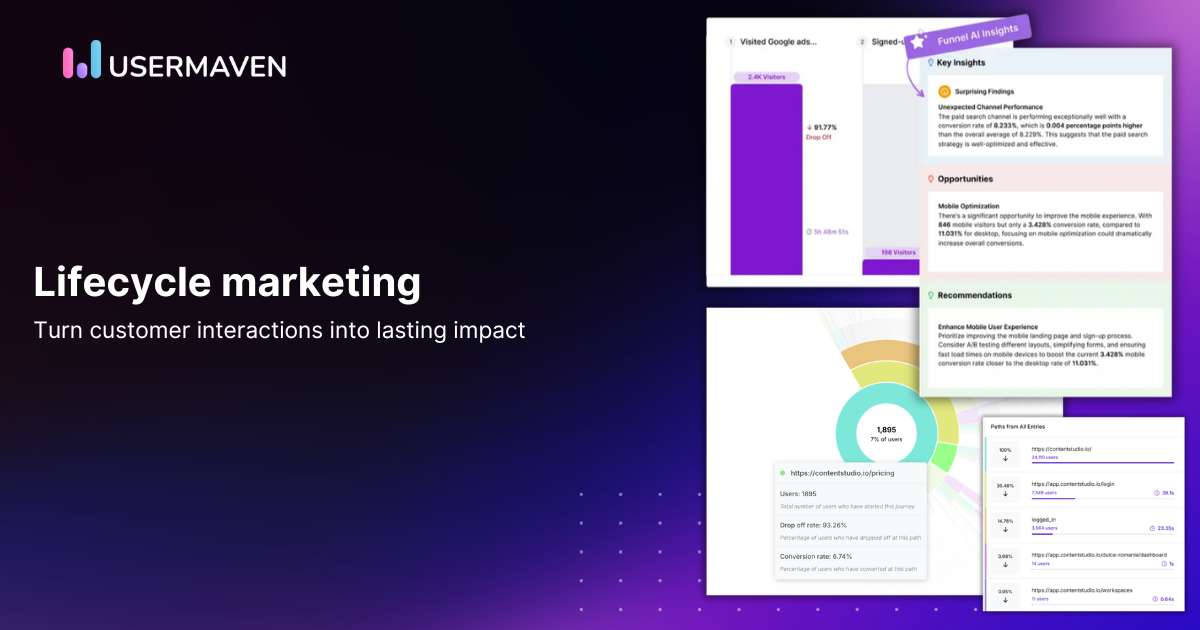
Understanding lifecycle marketing: A strategic approach to customer engagement
Imagine this: you’ve just launched your latest product and the first sales come through. Everything seems to be on track until, out of nowhere, the momentum slows down. The excitement fades, and you’re left wondering what went wrong. Your analytics tell part of the story: where customers showed interest, where they drifted away, and which…
-
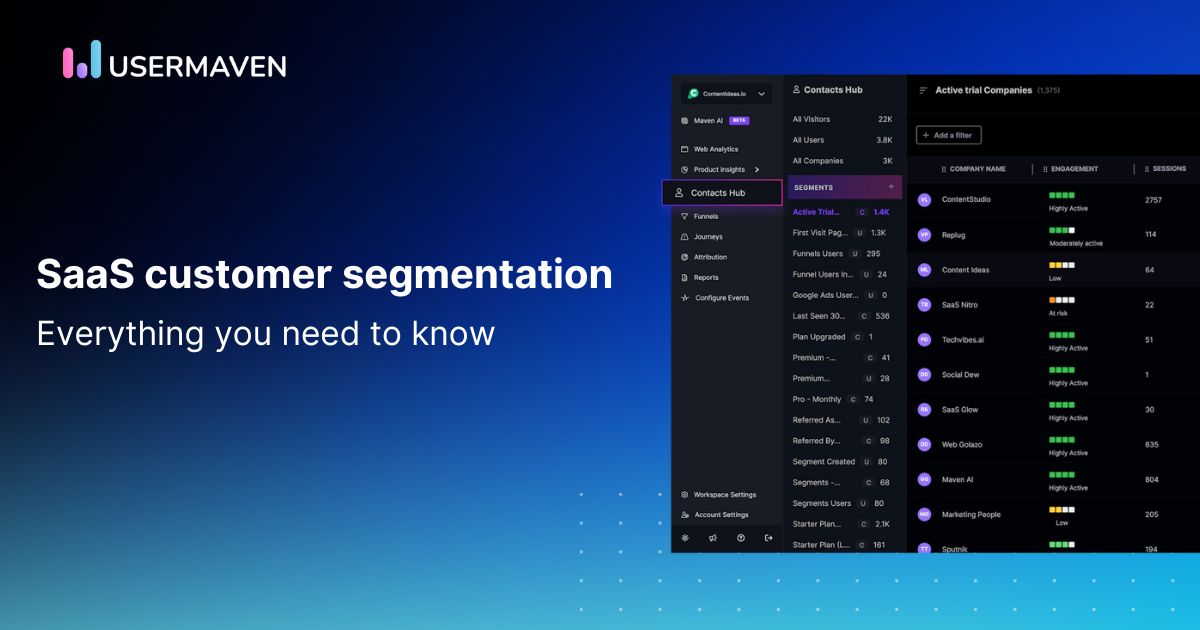
What is SaaS customer segmentation? Explained simply
Picture this: you’re running a SaaS business and sending the same email to your power users and occasional visitors. The result? Your heavy users feel overlooked while casual customers feel overwhelmed. This scattered approach wastes marketing dollars and frustrates customers who want relevant experiences. SaaS customer segmentation solves this problem by dividing your customer base…
-
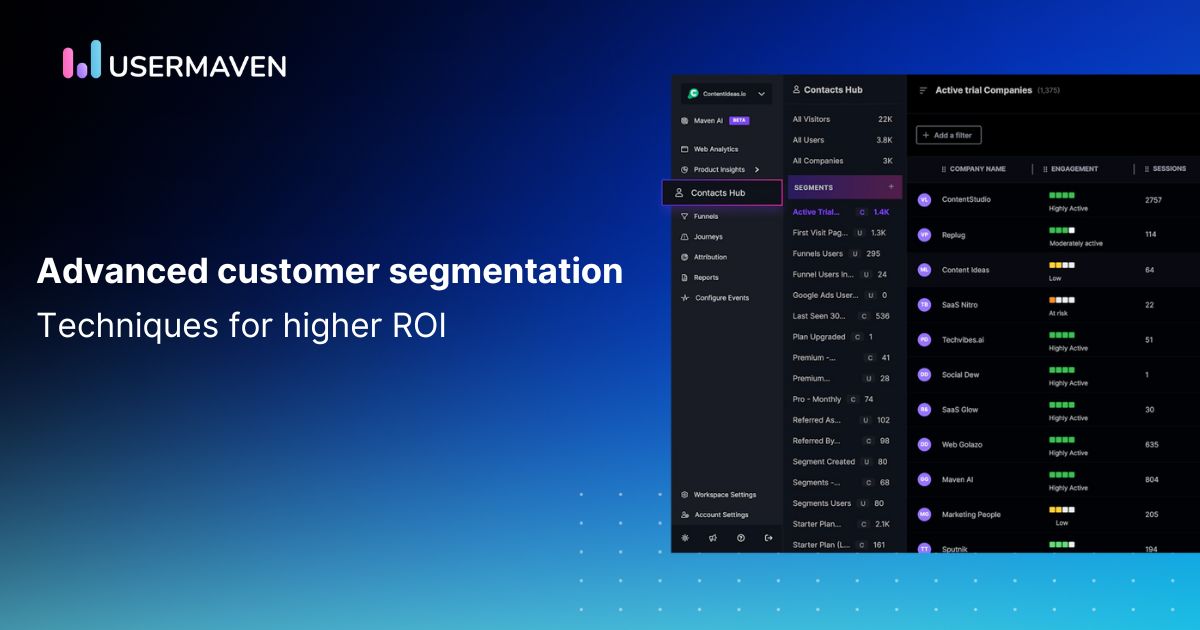
5 advanced customer segmentation techniques for higher ROI
Understanding your audience isn’t just about knowing who they are; it’s about knowing what they need, when they need it, and how they prefer to engage. In today’s competitive landscape, basic demographics and guesswork won’t cut it. To drive higher ROI, brands must go beyond surface-level insights and tap into advanced customer segmentation techniques. This…
-
Psychographic segmentation: What is it & why it matters
Traditional segmentation methods – based on age, gender, or location – offer only a limited view of your audience. In today’s competitive landscape, understanding what truly influences customer decisions requires going beyond the basics. This is where psychographic segmentation becomes essential. By focusing on values, interests, attitudes, and lifestyles, psychographic segmentation helps marketers craft more…
-
What is demographic segmentation & why it matters
Understanding your audience is the foundation of effective marketing. Every customer has unique needs, preferences, and behaviors, but certain traits often group people together. This is where demographic segmentation comes in. By dividing a market based on factors like age, gender, income, education, and occupation, businesses can create more relevant messaging and better-targeted campaigns. A…
-
Market segmentation analysis: A complete guide to smarter targeting & growth
Not everyone walks into a store for the same reason – some need a quick buy, others browse for inspiration, and a few just tag along for the company. Businesses that recognize these differences can market more effectively instead of treating every customer the same. That’s where market segmentation analysis comes in. It helps brands…
-
What is dynamic segmentation & what it matters
In the world of data analytics and customer insights, businesses are constantly seeking ways to better understand their audience, personalize experiences, and drive growth. One of the most powerful tools to achieve this is dynamic segmentation. Unlike traditional static segmentation, dynamic segmentation allows businesses to categorize their audience in real time based on behavior, preferences,…
-
How do marketers use geographic segmentation to drive engagement?
When Starbucks offers pumpkin spice lattes earlier in Seattle than in Miami, or when Nike showcases winter gear in Minnesota while promoting breathable fabrics in Arizona, you’re witnessing geographic segmentation in action. Geographic segmentation divides a broad market into smaller groups based on physical location, allowing marketers to customize offerings according to where people live,…